
 Catbrook

Catbrook (323 electors and 2 Councillors) is set high above Tintern Abbey and the Wye Valley AONB; roughly equidistant between Monmouth and Chepstow. The ward comprises the village of Catbrook and hamlets of Broadstone and Whitelye. It is a quiet rural residential community with its secluded character being its defining feature. It is surrounded by beautiful countryside, stunning views, narrow lanes, and lovely walks in all directions. It has a lively and active Village Hall with a long history of community events and activities.
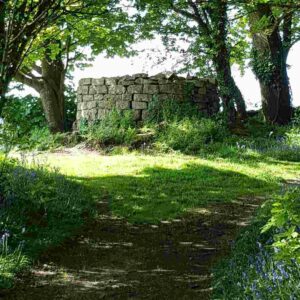
Its history is very much as a rural farming community also dependent on forestry for employment with the wood being used for the iron works at Angidy Valley, railway sleepers and pit props. The ruined tower on the edge of Ninewells Wood was built to oversee French prisoners from the Napoleonic wars building the distinctive dry stone walls and stiles that still exist today.
 Llanishen

Llanishen (231 electors and 2 Councillors) lies 3 miles south of Trellech on the B4293 road, although the main part of the village is set immediately to the west of the road, overlooking the Vale of Usk.
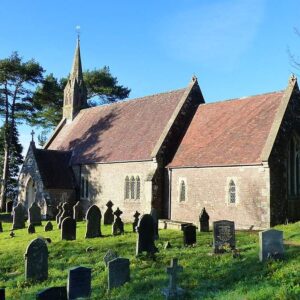
The village takes its name from the original dedication of the parish church to St. Isan or Issien, who was said to have been a follower of the 6th-century Celtic St. Illtyd. The church is mentioned in the 12th-century Book of Llandaff. The existing church is dedicated to St. Dennis. It was completely rebuilt in 1852–54, and no evidence of an earlier church remains.
The village is set within what is termed the Wye Valley Forest Park, the upland area within the River Wye AONB and has one public house, The Carpenter’s Arms, which dates from 1700.
Llanishen has a Village Hall which serves the three parishes of Llanishen, Llanfihangel-Tor-Y-Mynydd and Trellech Grange.
 Penallt

Penallt (also spelled Penalt) is a village (474 electors and 3 Councillors) situated high on a hill 4 kilometres south of Monmouth. In the centre of the village, by the village green, stands the 17th-century village pub, the Bush Inn.
Nearby, Penallt Old Church Wood is a 10-acre nature reserve managed by the Gwent Wildlife Trust. This deciduous woodland provides a habitat for several bird and plant species.
Penallt Old Church is located approximately a mile north of the village. The main part of the building dates from the 15th or early 16th century, while the lower part of the tower may date from the 14th century.
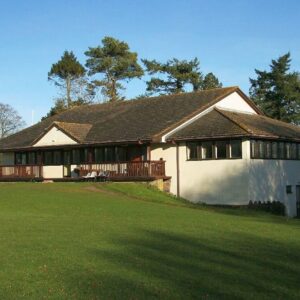
A cricket club and a tennis club flourish in the village, both being based on Pelham Hall, a fine Village Hall rebuilt in 1992.
 The Narth
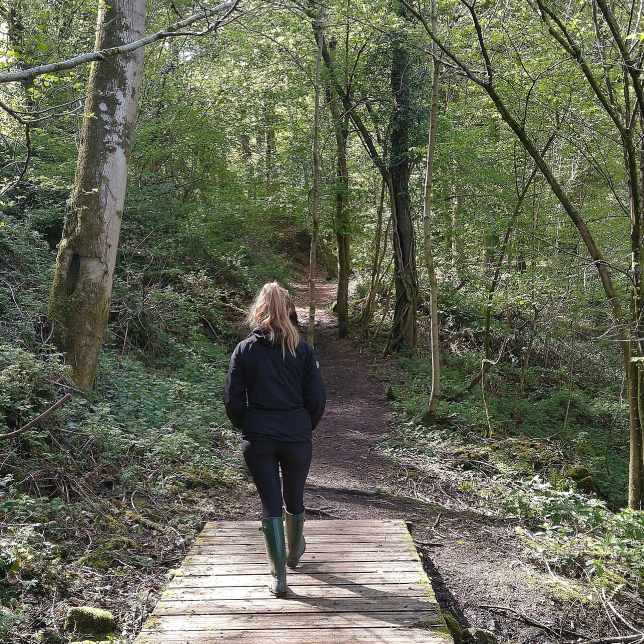
A village (340 electors and 2 Councillors) which lies on a spur of land overlooking the Whitebrook and Wye valleys. It developed initially through settlement on waste land, principally by workers in paper mills in Whitebrook in the nineteenth century. In the 1920s, land was offered for sale by the owner, the Marquis of Worcester, and development continued on a sporadic basis until the late twentieth century. Old cottages were refurbished and many larger houses were built.
A village school opened in 1910 but closed later in the century. The Trekkers opened in the early 1970s as a trekking centre, and operated as a private members’ club until 1984; thereafter it was run as a pub, housed in a log cabin, until it closed in 2004. It has since been demolished Community activity is centred on the Village Hall.
The village was largely developed in the 1950s when council houses were built. They are now no longer run by the council, however.
 Trellech Grange

A small hamlet (79 electors and 1 Councillor) is located some seven miles south of Monmouth and sits on high ground between two tributaries of the Angidy Brook.
The village provided homes and accommodation for the ‘Iron workers’ who worked in the many iron works in the area between 1600 and 1870. There are 2 known ‘Squatters’ houses in Trellech Grange which eventually became proper houses; the Duke of Beaufort allowed squatters as long as they paid a rent.
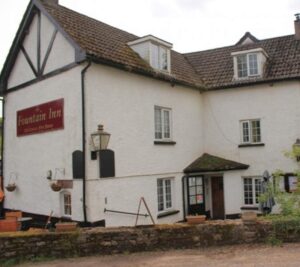
The 17th century Fountain Inn won the CAMRA Best Rural Pub of the Year award in 2019.
 Trellech Town

Trellech (occasionally spelt Trelech, Treleck or Trelleck; Welsh: Tryleg) is a village and parish (431 electors and 3 Councillors) located 5 miles (8 km) south of Monmouth. It lies on a plateau above the Wye Valley on the western fringes of 320 acres of woodland in an Area of Outstanding Natural Beauty. Three pre-historic standing stones are located just south of the village, known as Harold’s Stones and the remains of a Norman castle overlook the historic church of St Nicholas, a Grade I listed building.
Although a relatively small village in modern times, it was one of the largest towns in Wales in the 13th century. It contains seven ancient monuments as well as a site of archaeological interest set up to determine its extent and role at that time. The village is designated as a conservation area with many listed buidlings.
There are four nature reserves nearby; New Grove Flower Meadow, noted for its orchids, and Cleddon Bog are both SSSIs.
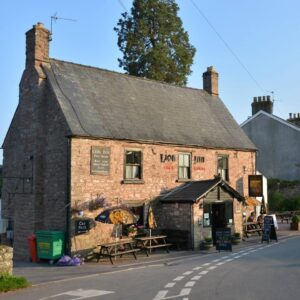
The village also houses the sixteenth century Lion Inn, an excellent Primary School, one of the two Wye Valley Practice surgeries as well as the Babington Centre, its Village Hall.
 Whitebrook

Whitebrook is the smallest of the TUCC wards by population (77 electors and 1 Councillor) but it has a very rich history nevertheless. Between the 17th and 19th centuries, the Whitebrook valley was a centre of intensive water-powered industry. A branch of Tintern wireworks was established here in about 1606, and wire working continued to be the main industry of the valley until about 1720. By about 1760, paper mills had taken over, and much of the housing in the valley was built for millworkers around that time. Some of the paper was made from imported esparto grass, brought in via the quay at nearby Llandogo.
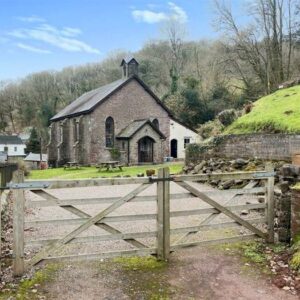
Although the industry had ceased by 1880, the valley retains the remains of several old mills, warehouses, dams and leats. The Holy Trinity Church was built as a result of public subscription in 1835, to cater for the industrial community. Nearby is its Village Hall.
Whitebrook today is known for its fine dining restaurant, The Whitebrook, with owner and chef Chris Harrod.
The number of electors for each ward is based on the electoral roll of June 2026.